Shingle Roofing: Select the Perfect Material
- CT ROOFING

- Jan 8
- 4 min read

Selecting the appropriate roofing material is a critical decision for homeowners considering a roof replacement. The roof is not only a significant investment but also a key component in protecting your home from the elements. With a variety of materials available, understanding the benefits and drawbacks of each type can help you make an informed decision.
When it comes to roofing materials, homeowners often face a plethora of choices. Each material offers different advantages, and the right choice will depend on factors such as climate, budget, and aesthetic preferences. Here, we will focus on three popular options: asphalt shingles, wood shingles, and metal roofing.
Asphalt Shingles
Asphalt shingles are the most common roofing material in North America, favored for their affordability and versatility. They are made from a combination of fiberglass or organic mat, asphalt, and mineral granules.
Advantages of Asphalt Shingles
Cost-Effective: Asphalt shingles are generally less expensive compared to other roofing materials, making them an attractive option for budget-conscious homeowners.
Variety: Available in numerous colors and styles, asphalt shingles can complement a wide range of architectural designs.
Ease of Installation: Asphalt shingles are relatively easy to install, which can reduce labor costs and time required for roof replacement.
Durability: They offer good protection against wind and fire, and can last between 15 to 30 years depending on quality and maintenance.
Disadvantages of Asphalt Shingles
Weather Sensitivity: Extreme temperature fluctuations can cause asphalt shingles to crack or warp over time.
Environmental Impact: Asphalt shingles are petroleum-based, which raises concerns about sustainability and environmental impact.
Moss and Algae Growth: In humid climates, asphalt shingles are prone to moss and algae growth, necessitating regular roof maintenance.
Wood Shingles
Wood shingles and shakes offer a natural aesthetic that enhances the rustic charm of a property. Typically made from cedar, redwood, or pine, they provide a unique, textured look.

Advantages of Wood Shingles
Aesthetic Appeal: Wood shingles add natural beauty and character to a home, often enhancing its curb appeal.
Insulation: Wood shingles offer excellent insulation properties, which can contribute to energy savings.
Longevity: With proper maintenance, wood shingles can last up to 30 years or more.
Disadvantages of Wood Shingles
Cost: Wood shingles are typically more expensive than asphalt shingles, both in material and installation costs.
Maintenance: They require regular maintenance to prevent issues such as rot, insect infestation, and mold.
Fire Risk: Wood shingles are more susceptible to fire, although treatments can enhance their fire resistance.
Metal Roofing
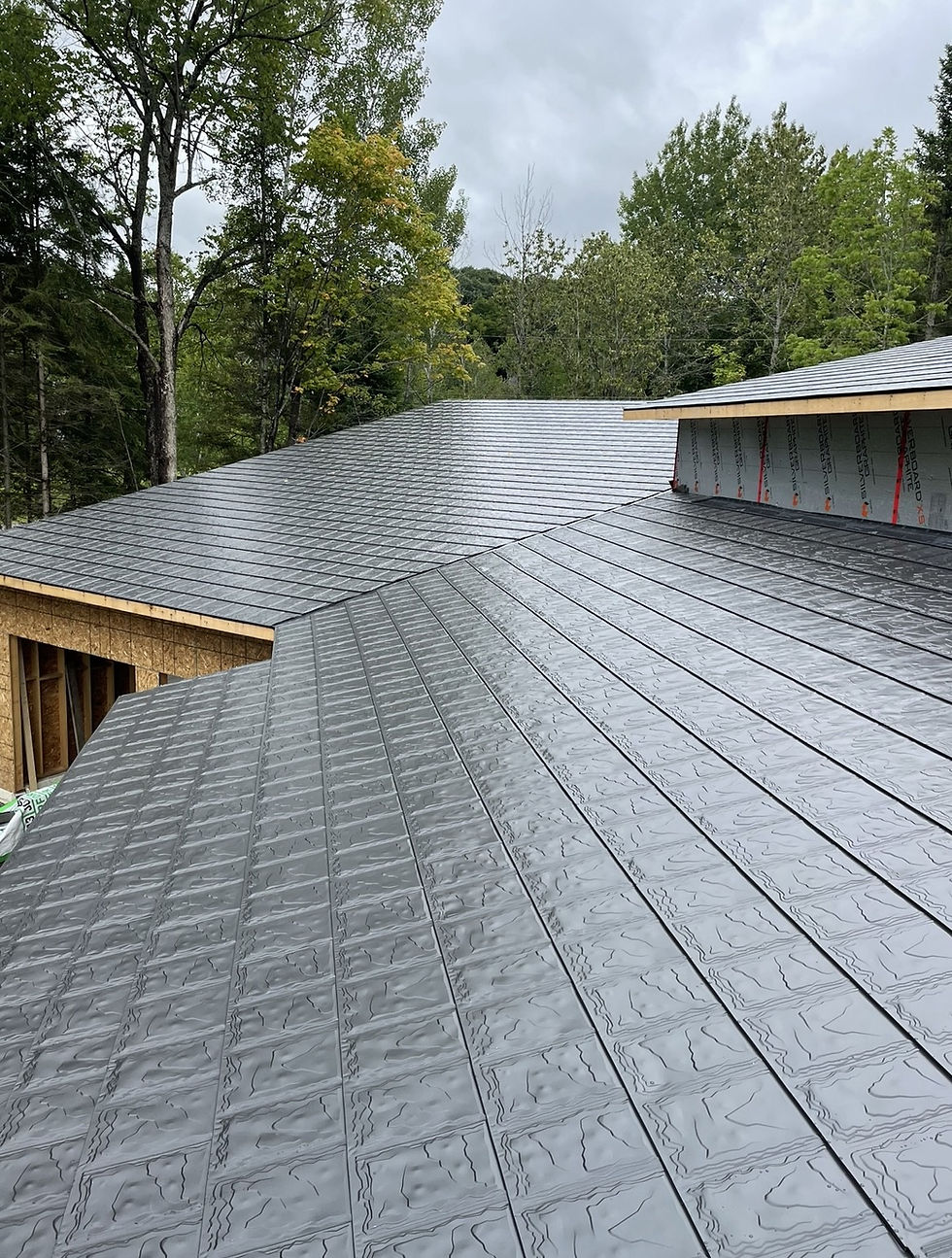
Metal roofing is known for its durability and longevity. Made from materials like aluminum, steel, copper, and zinc, metal roofs are gaining popularity in both residential and commercial applications.

Advantages of Metal Roofing
Durability: Metal roofs can last 40 to 70 years, making them one of the longest-lasting roofing materials available.
Energy Efficiency: Metal roofs reflect solar radiant heat, which can reduce cooling costs by 10-25%.
Environmentally Friendly: Metal roofing is often made from recycled materials and is fully recyclable at the end of its life.
Weather Resistance: Metal roofs can withstand severe weather conditions, including heavy snow, rain, and high winds.
Disadvantages of Metal Roofing
Initial Cost: The upfront cost of metal roofing is significantly higher than asphalt shingles, although the long-term savings can offset this initial investment.
Noise: Without proper insulation, metal roofs can be noisy during rain or hailstorms.
Expansion and Contraction: Metal expands and contracts with temperature changes, which can sometimes lead to loosening of fasteners and potential leaks.
Key Considerations for Roof Replacement
When planning a roof replacement, it is crucial to consider several factors to ensure the longevity and performance of your new roof.
Climate and Weather Conditions
The local climate plays a significant role in determining the best roofing material for your home. For instance, asphalt shingles may not be ideal in areas with extreme temperature variations, while wood shingles may not be suitable in regions prone to wildfires.
Budget and Long-Term Value
While budget constraints are a common concern, it is important to consider the long-term value and maintenance costs associated with different roofing materials. A higher initial investment in metal roofing, for example, might lead to greater savings over time due to its longevity and energy efficiency.
Aesthetic Preferences
The visual impact of your roofing material should complement the architectural style of your home. Consider how different materials and colors will affect your home’s overall appearance and curb appeal.
Maintenance Requirements
Each roofing material comes with its own set of maintenance needs. Asphalt shingles require regular inspections and cleaning, while wood shingles demand more intensive care to prevent rot and insect damage. Metal roofs generally require less maintenance but should be checked periodically for signs of wear and tear.
Conclusion
Choosing the right shingle roofing material involves balancing cost, aesthetics, durability, and maintenance needs. By understanding the advantages and disadvantages of each material, homeowners can make an informed decision that aligns with their specific requirements and local climate conditions. Ultimately, investing in the right roofing material ensures not only the protection of your home but also its aesthetic and financial value over time.


Comments